

Shaadi Iris Ghorbani Forugh Farrokhzad’s The House is Black begins with a statement of purpose. Preceding its 22- minute runtime, viewers are faced with black opacity and a warning that they are about to witness “An image of ugliness. A vision of pain no caring human being should ignore” (The House is Black). The darkness…
Continue Reading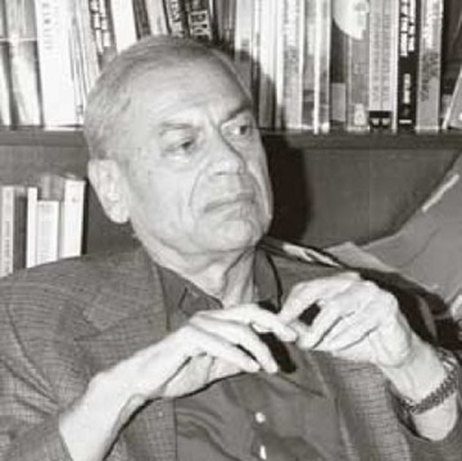
Did the Rise of Islam and Islamism after 1967 Mean that the Arab project for Modernity had Failed? via. Hisham Sharabi’s 1988 Neopatriarchy
Ellen Aylmer Prior to 1967, the Arab world had been attempting to make strides towards a modern society, in their own project for modernity. Many societies in the Arab world were becoming increasingly secular and capitalist, hoping to emulate the supposedly modern West. It appeared to many that modernity, as they saw it, was just…
Continue Reading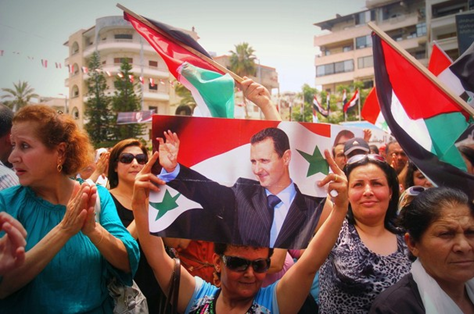
Houses of Straw: How Democratic Processes can Hide State Weakness
Dennis Kostakoglu Aydin Iraq and Syria have a well-documented modern history of oppressive regimes. As is generally common in MENA, in Saddam’s Iraq and Hafez al- Assad’s Syria, legitimacy was determined by specific state policies designed to ensure social compliance with the existing regime. This is the traditional definition of legitimacy: the state’s adherence to…
Continue Reading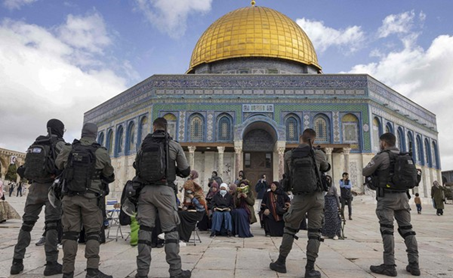
Threatening the ‘Status Quo’: the Historic and Contemporary Dangers of ‘Religious Freedom’ in Jerusalem’s Holy Esplanade
Rose Slocock Located in the Old City of Jerusalem, a sacred hilltop holy site has long served as a flashpoint of bitter and enduring division between the Israelis and Palestinians. Known to the Jewish people as Temple Mount, and to Muslims as Haram al-Sharif, the Noble Sanctuary is Islam’s third holiest site after Medina and…
Continue Reading
Kuwait and COVID-19: The Real Victims of the Pandemic
Saoirse Joy “We should send them out… put them in the desert.” – Hayat Al-Fahad On the 11th March 2020, the World Health Organisation officially declared that the rapidly spreading COVID-19 virus be treated as a pandemic. A month later, on the 31st March 2020, Kuwaiti actress Hayat Al-Fahad publicly called for the deportation of…
Continue Reading
Poetry as a Political Entity
Aoileann Ni Mhurchu. While poetry has limitations and does not hold the same political power as a policy or law, it is still inherently political. This is true on two principle levels. Firstly, in the words popularised by the feminist Carol Hanisch in 1968, “the personal is political.” The theory embodied by this statement sought to include groups such as women who were previously relegated to the private realm of the household and excluded from political discussion.
Continue Reading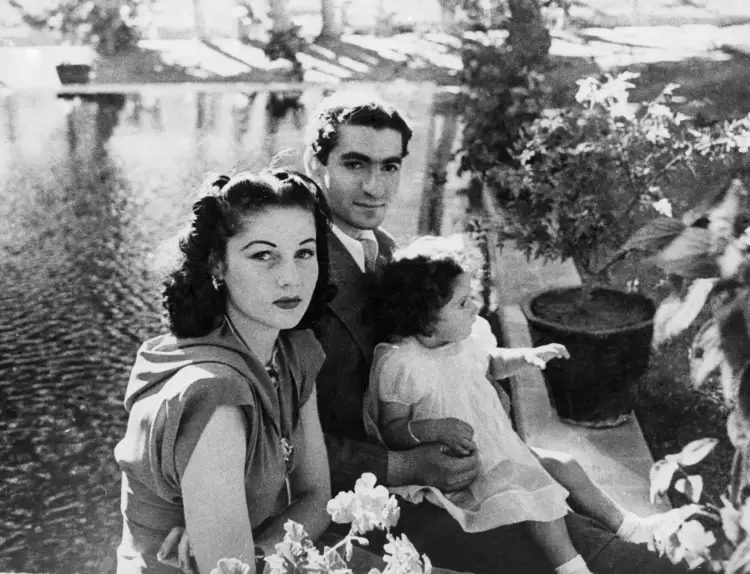
Forugh Farrokhzad: The Politics of Personal Poetry
Gabriel Torres. “I have sinned a rapturous sin.” Forugh Farrokhzad was a poet during the 1950s in Iran. Her poetry proves how personal reflective poetry is political when one’s own identity is controversial and politicized. Some argue that Farrokhzad’s poetry is deliberately provocative so as to evoke political outrage and make statements; however, one can quickly see how her poems are also simple statements about her life and identity as a woman.
Continue Reading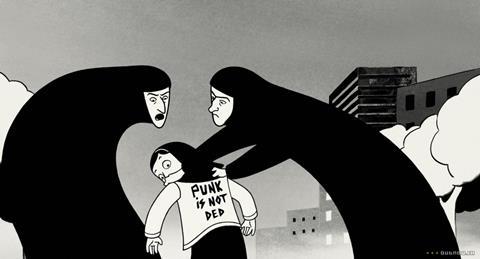
Analysis of Persepolis Film Addressing Cinematic Choices and Male/Female Portrayals
Isabel Salerno. The 2007 film ‘Persepolis’ produced by Marjane Satrapi and Vincent Paronnaud is an adaptation of the 2003 and 2004 autobiographic graphic novels, ‘Persepolis: the Story of a Childhood’ and ‘Persepolis 2: the Story of a Return’.
Continue Reading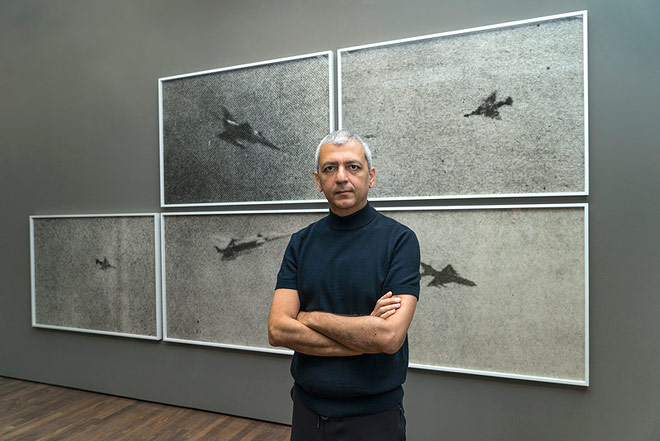
All is Well on the Border
Gloria Robberto. In 1997, Lebanese director Akram Zaatari published a documentary, Al Shareet bi-khayr (All Is Well on the Border), which comprised many clips of life filmed in Lebanon both before and after the civil war.
Continue Reading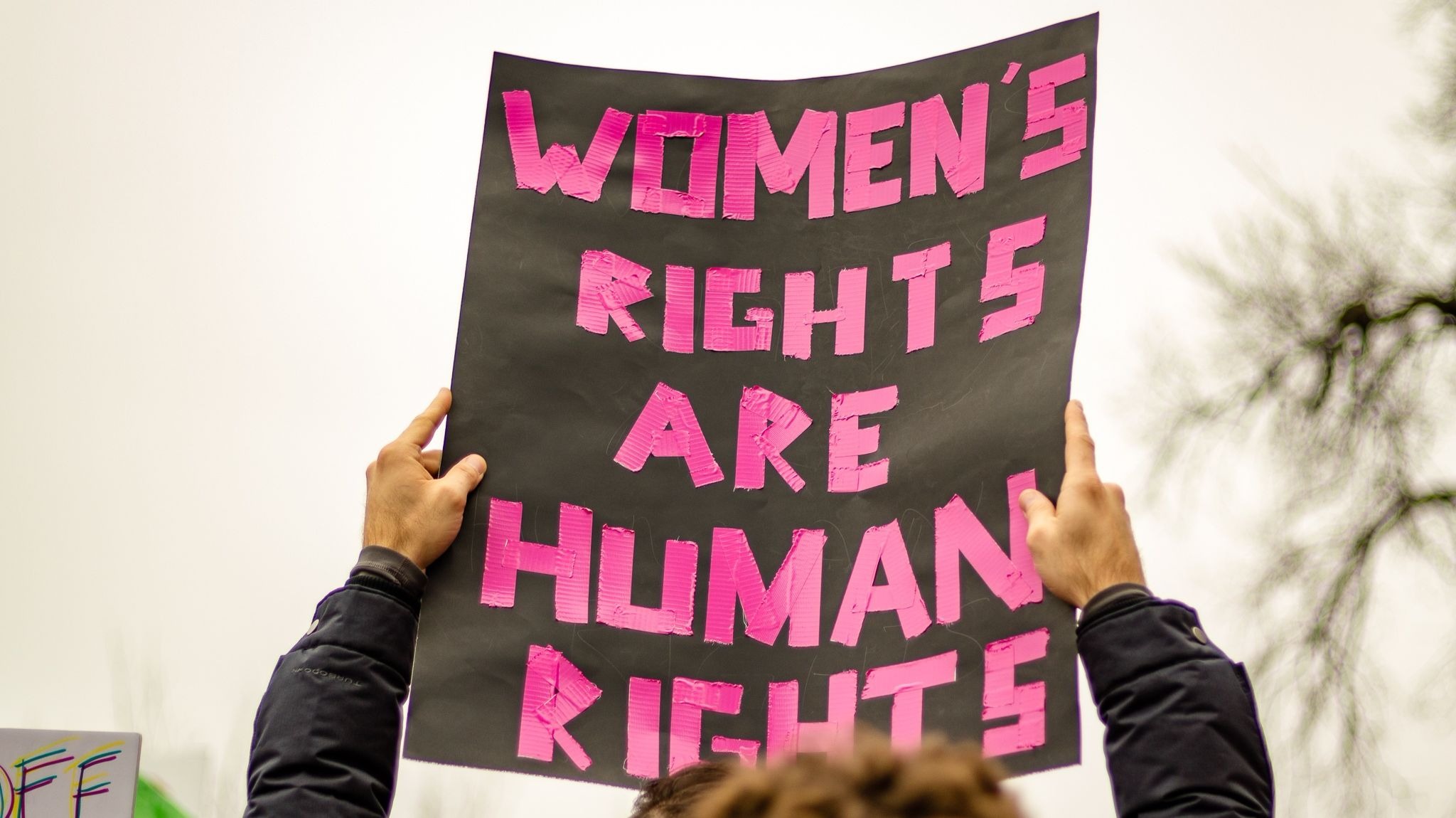
Violence Against Women in East Jerusalem: Where the Political Meets the Domestic
Kerry O’Sullivan. Across virtually every society in the world, there is the universal presence of violence against women and female oppression. The intensity and manifestation of gender inequality varies depending on religion, cultural identity, class and race. This essay will discuss the culture of violence against women in East Jerusalem (EJ) , one of the most contested areas within Israel and perhaps the entire world.
Continue Reading